

Japan holiday packages
-
 Japan
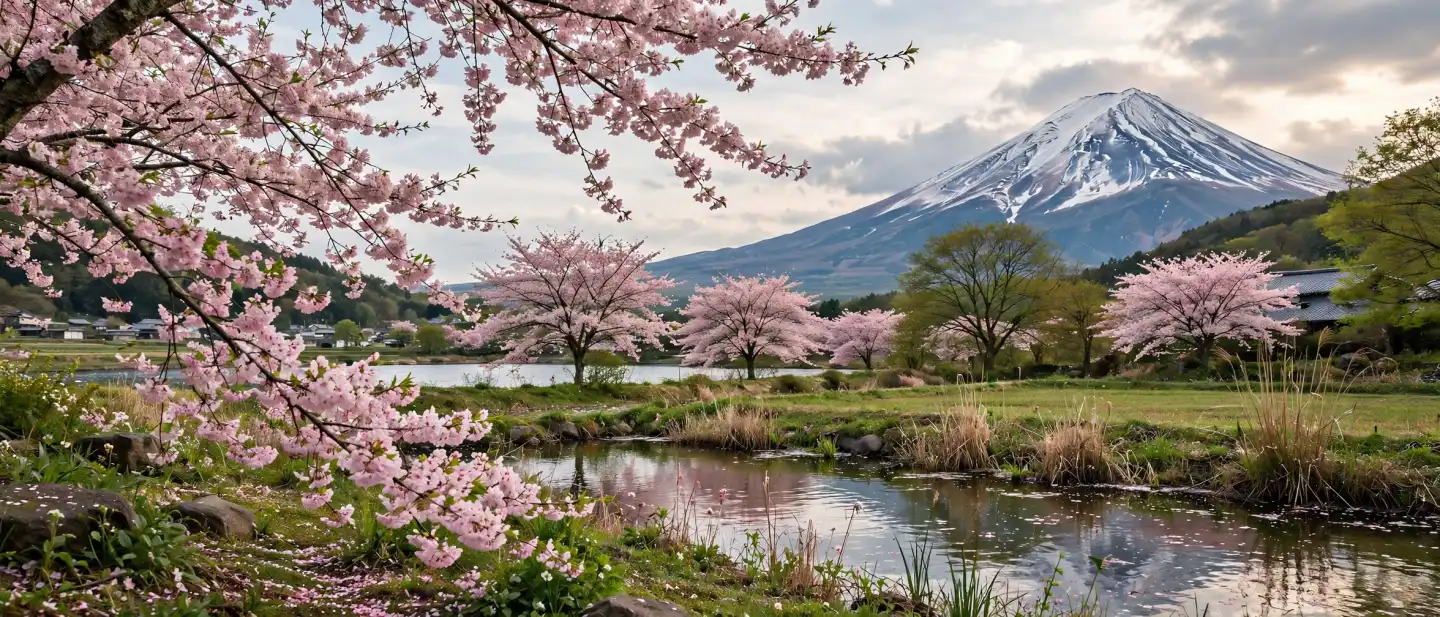
Tokyo & Kyoto Twin-City Experience — 6/8 Nights
- Return London flights
- 3/4 nights Tokyo at Shinjuku Washington 4★
- 3/4 nights Kyoto
Subject to availability£1,179 pp2 sharingView deal: Tokyo & Kyoto Twin-City Experience — 6/8 Nights -
 Japan
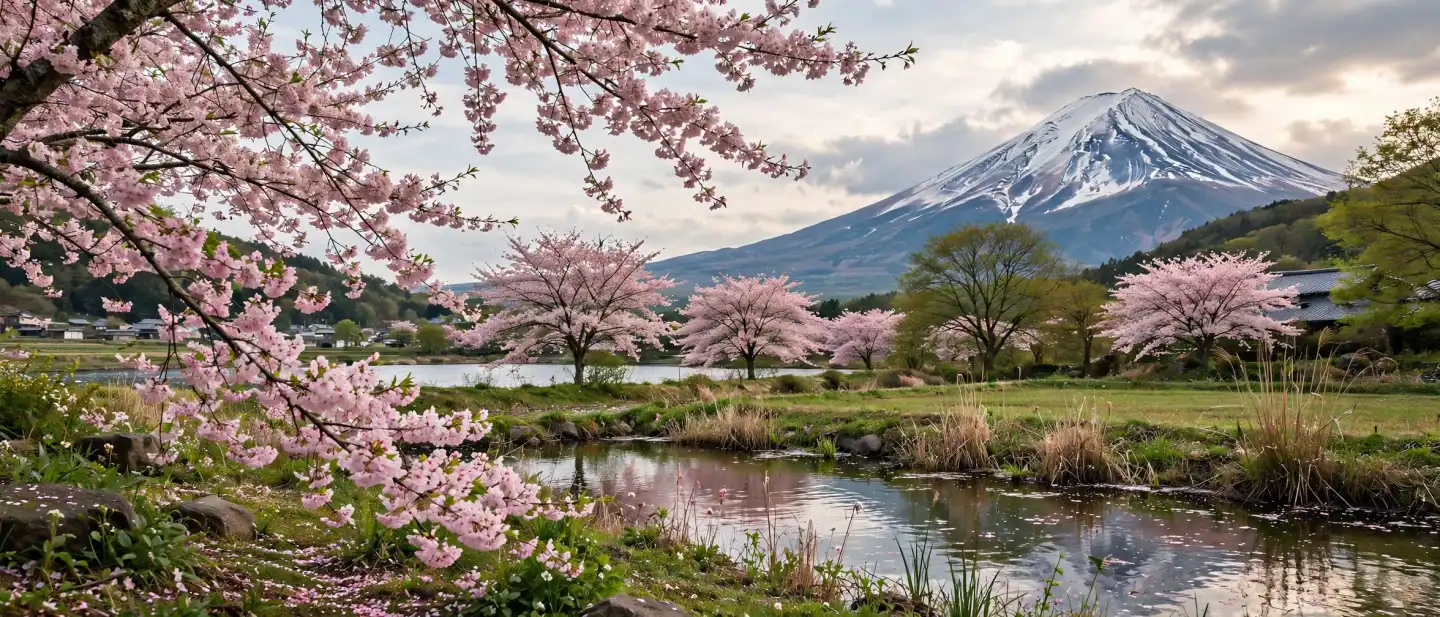
Japan Discovery — Tokyo, Mount Fuji, Kyoto & Osaka, 10 or 14 Nights
- Return London–Tokyo flights
- Japan Rail Pass (7 days for 10 nights / 10 days for 14 nights)
- 4★ hotels with breakfast.
Prices are per person based on two adults sharing and include flights, accommodation, taxes, APD and fees. All prices are subject to availability.
Holidays to Japan usually pair Tokyo's food, shopping and neon with the temples of Kyoto, linked by a bullet train that takes about 130 minutes. Spring and autumn bring the most comfortable weather, while summer is hot and humid. Nonstop flights from London Heathrow to Tokyo take around 14 hours.
Where to stay
-
Shinjuku, Tokyo
- Suits
- First-time visitors who want transport links and nightlife
- Good to know
- Tokyo's busy business district, mixing skyscrapers with atmospheric back streets and tiny bars.
-
Asakusa, Tokyo
- Suits
- A more traditional feel and easy temple visits
- Good to know
- Downtown Tokyo's traditional heart, home to Sensoji temple and long-established shops.
-
Ginza and Nihonbashi, Tokyo
- Suits
- Couples and shoppers wanting a polished, central base
- Good to know
- Known for luxury flagship stores and dining, close to Tokyo Station for bullet trains.
-
Gion and Higashiyama, Kyoto
- Suits
- Travellers who want historic streets on the doorstep
- Good to know
- The district where geiko and maiko may be seen; Kyoto's traditional inns are a highlight of any stay.
-
Around Kyoto Station
- Suits
- Rail travellers and shorter stays
- Good to know
- Kyoto Station is served by the Tokaido-Sanyo Shinkansen, with coin lockers and luggage storage nearby.
-
Namba and Dotonbori, Osaka
- Suits
- Food lovers and nightlife
- Good to know
- Osaka's southern entertainment area, known for neon-lit Dotonbori and street food such as takoyaki and okonomiyaki.
Planning your first Japan holiday
Most first holidays to Japan follow a simple and very rewarding route: Tokyo first, then west by bullet train to Kyoto, often finishing in Osaka. JR Central puts Tokyo to Kyoto at about 130 minutes by Shinkansen, and Osaka is about an hour by train from both Kyoto and Nara.
Tokyo is a city of distinct districts. Shinjuku mixes skyscrapers with tiny bars, Asakusa is the traditional heart around Sensoji temple, Ginza is known for flagship stores and dining, and Akihabara is the centre of games, gadgets and anime. Kyoto, refined over some 1,200 years, is the place for temples, gardens and traditional inns, and Osaka is known for its food and relaxed nightlife.
A typical day might start at a shrine early in the morning before the crowds, followed by a market lunch, an afternoon in a museum or garden and dinner at a counter restaurant.
Japan's tourism organisation suggests a week covers the main highlights. The trips we arrange run from shorter Tokyo and Kyoto twin-city breaks to touring holidays that add the Mount Fuji area and Osaka over 10 to 14 nights.
The best time for a holiday in Japan
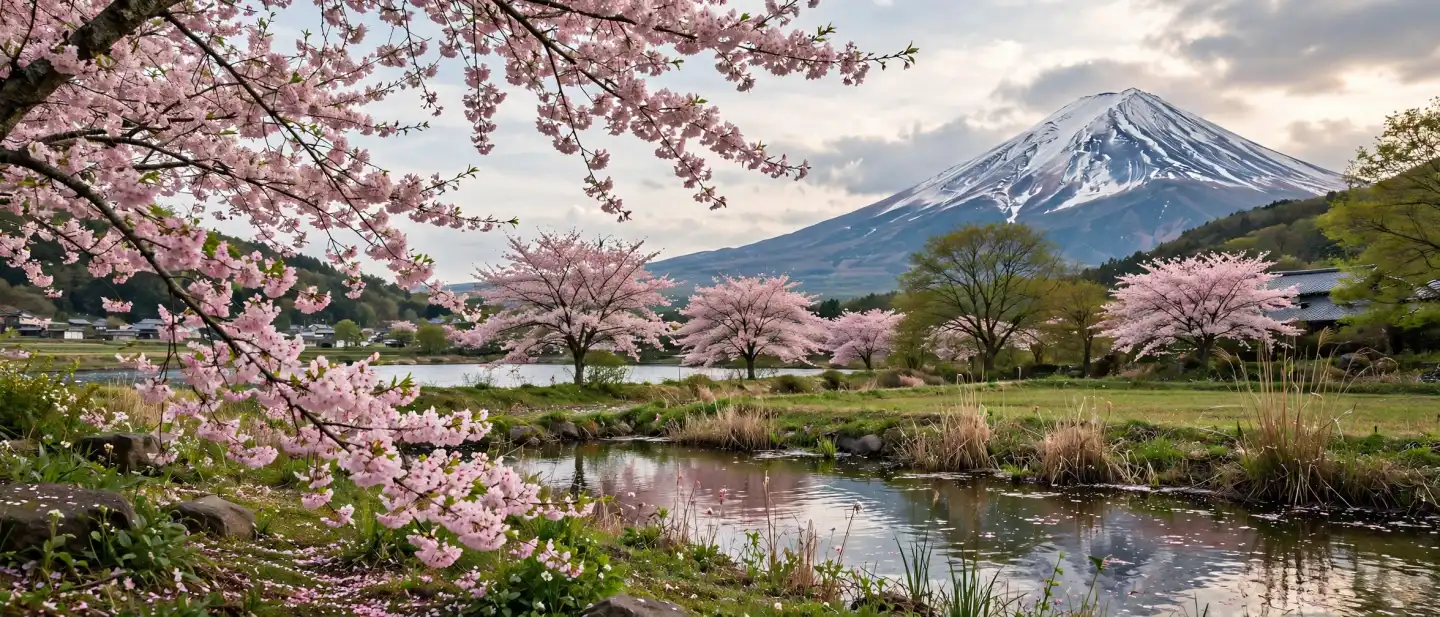
Spring and autumn are the best seasons for a Japan holiday, with comfortable temperatures for walking. In Tokyo, the Japan Meteorological Agency's normal date for cherry blossom to open is 24 Mar, with full bloom around 31 Mar, although timing shifts each year. April highs average about 19°C.
Autumn is just as appealing. Tokyo averages highs of about 22°C in October and 17°C in November, and maple leaves usually turn in the city in late November. September and October are Tokyo's wettest months, though, at around 225–235 mm.
Summer is demanding. The rainy season normally runs from about 07 Jun to 19 Jul around Tokyo, and the FCDO warns that temperatures often exceed 35°C in July and August. Typhoon season runs from June to December, peaking from July to September.
Winter in Tokyo is cold but mostly dry and bright, with highs of about 10–12°C, while Hokkaido gets deep snow.
Japan's busiest periods are New Year, Golden Week from late April to early May, and the summer holidays from mid-July to August. Book flights, hotels and trains early for these.
Where to stay in Japan: Tokyo, Kyoto and Osaka
In Tokyo, choose your district by the kind of trip you want. Shinjuku is the most practical base for many first-timers, with big rail connections and lively back streets full of tiny bars. Asakusa feels more traditional, centred on Sensoji temple and long-established shops. Ginza and Nihonbashi suit couples and shoppers, with flagship stores, excellent dining and quick access to Tokyo Station for the bullet train.
In Kyoto, Gion and Higashiyama put you among historic streets where geiko and maiko may be seen. Staying near Kyoto Station is more practical if you plan day trips by train, and there are coin lockers and luggage storage nearby. A night in a traditional inn is one of the highlights of a Kyoto stay.
Osaka is a lively base for the final nights of a trip. Namba and Dotonbori, in the south of the city, are known for neon lights and street food such as takoyaki and okonomiyaki. Osaka Station in the north is the other main hub.
If you are flying home from Kansai International Airport, Osaka makes a convenient last stop, as the airport is about 50 minutes from Shin-Osaka.
Getting around Japan by bullet train
The Shinkansen, or bullet train, is the backbone of most Japan holidays. JR Central says you can reach Kyoto from Tokyo in about 130 minutes, and Kyoto Station connects to the wider network on the Tokaido-Sanyo Shinkansen. From Osaka, Kyoto and Nara are each about an hour by train.
The Japan Rail Pass can be bought before you arrive and covers JR lines including most Shinkansen services. There is one important catch on the Tokyo to Kyoto and Osaka line: the pass covers only Hikari and Kodama trains. To ride the faster Nozomi, pass holders need a special ticket for each journey, bought before boarding.
Travel light if you can. Coin lockers and luggage storage are available near major stations, which helps on days when you check out in the morning and travel in the afternoon.
During Golden Week, New Year and the mid-summer Obon period, trains and stations are much busier, and Japan's tourism organisation advises booking transport well in advance. Outside these times, the network is fast, frequent and easy to use, even if you do not speak Japanese.
Flights to Japan and entry rules for UK travellers
Nonstop flights from London Heathrow to Tokyo Haneda take around 14 hours, with British Airways, Japan Airlines and ANA all flying the route. Haneda is the easier arrival airport: Japan's tourism organisation says central Tokyo is within half an hour of the terminal, while Narita is about an hour away by express train. Flights from other UK airports are available on request, usually with one connection.
Japan is nine hours ahead of the UK in winter and eight hours ahead during British Summer Time, as Japan does not change its clocks. Expect some jet lag, and keep your first day light.
British citizens with a full British passport can visit for tourism for up to 90 days without applying before they travel. Your passport must be valid for the whole stay and have a blank page for the entry stamp. Overstaying can lead to arrest, detention and a heavy fine.
Check any medicines before you pack. The FCDO warns that some common prescription and over-the-counter medicines are illegal in Japan, and not knowing the rules is no defence.
Money, etiquette and practical tips for Japan
Carry yen in cash. Cards are widely used in cities, but Japan's tourism organisation notes that small shops and guest houses may accept only cash, and the FCDO says Japan is still a predominantly cash-based society where many UK cash cards are not widely accepted.
There is no tipping culture in Japan, so you do not need to add anything at restaurants, hotels or taxis. Good manners go a long way instead: queue patiently, keep your voice down on trains and follow the instructions at temples and shrines.
Japan is in a major earthquake zone. The FCDO advises reading the safety instructions in your hotel room and at train stations and following the advice of local authorities. In summer, plan for heat by starting early, carrying water and resting in the afternoon.
To dodge the busiest moments, visit popular temples and shrines early in the morning or in the evening, and use Kyoto's congestion forecast map before heading to the best-known sights.
Frequently asked questions
No advance visa is needed for most British travellers. With a full British passport, you can visit Japan for tourism for up to 90 days and receive permission on arrival. Your passport must be valid for the whole stay and have a blank page for the stamp. Longer stays or work need a different visa.
Nonstop flights from London Heathrow to Tokyo Haneda take around 14 hours, with British Airways, Japan Airlines and ANA on the route. Most arrive in Tokyo the day after departure. Flights from other UK airports, or into Osaka's Kansai airport, usually involve one connection and can be arranged on request.
Cherry blossom moves from south to north between March and May. In Tokyo, the Japan Meteorological Agency's normal opening date is 24 Mar, with full bloom around 31 Mar, though it varies year to year. Blossom season is very popular, so book hotels and trains early if you want to travel then.
Japan's tourism organisation suggests around a week for the main highlights, enough for Tokyo and Kyoto. Ten to fourteen nights gives time to add the Mount Fuji area, Osaka or Nara without rushing. Remember the flight takes most of a day each way, so allow for that when planning.
Not on its own. On the Tokaido Shinkansen between Tokyo, Kyoto and Osaka, the Japan Rail Pass covers only Hikari and Kodama trains. Pass holders can ride the Nozomi by buying a special ticket for each journey before boarding. The pass itself can be bought before you arrive in Japan.
Yes, carry some yen. Cards work in many city hotels, shops and restaurants, but small shops and guest houses may accept only cash. The FCDO describes Japan as still a predominantly cash-based society and notes that many UK cash cards are not widely accepted, so check your bank's options before you go.
No. Japan does not have a tipping culture, so there is no need to tip at restaurants, hotels or in taxis. Service is included in the price you see. Polite behaviour is appreciated far more: queue patiently, keep phone calls off trains and follow any rules posted at temples and shrines.
Summer is the hardest season for sightseeing. The rainy season usually lasts from early June to mid-July around Tokyo, and the FCDO warns temperatures often exceed 35°C in July and August. Typhoons peak from July to September, and mid-July to August is a domestic holiday peak. Spring and autumn are more comfortable.