


Mauritius holiday packages
-
 Mauritius
 Family Getaway — 7/10 Nights
- Return London flights
- 7/10 nights selected Mauritius resort
- published package uses an all-inclusive board basis
Subject to availability£1,129 pp2 sharingView deal: Mauritius Family Getaway — 7/10 Nights -
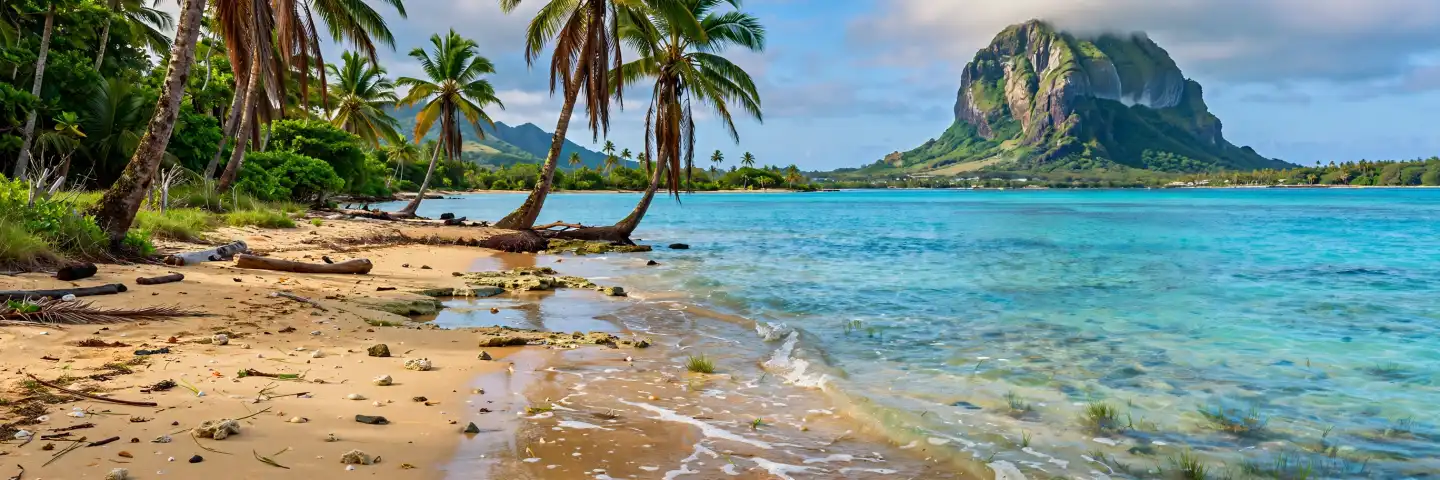 Mauritius
 All-Inclusive Beach Escape — 7/10/12 Nights
- Return London flights with regional supplement
- 7/10/12 nights at Solana Beach Mauritius 4★
- all-inclusive.
Subject to availability£1,529 pp2 sharingView deal: Mauritius All-Inclusive Beach Escape — 7/10/12 Nights -
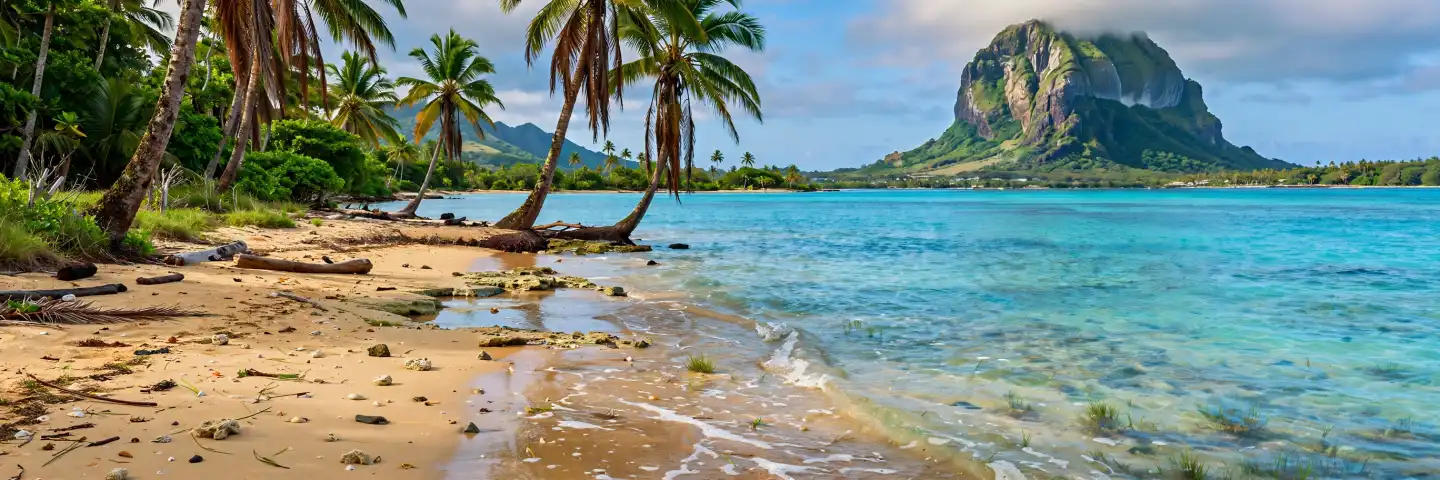 Mauritius
 All-Inclusive Escape — 7/10 Nights
- Return London flights
- 7/10 nights Solana Beach Mauritius
- all-inclusive
Subject to availability£1,629 pp2 sharingView deal: Mauritius All-Inclusive Escape — 7/10 Nights -
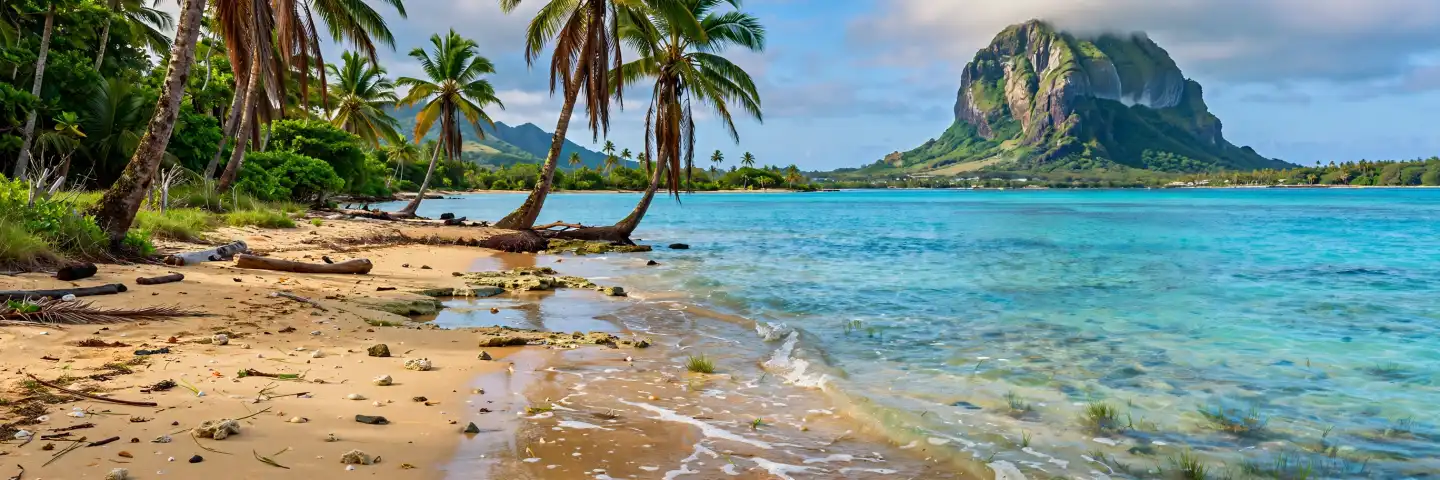 Mauritius · Dubai
10/12 Nights Mauritius & Dubai Twin Centre
- London flights
- 6/8 nights Mauritius 4★ half board
- 3/4 nights Dubai 4★ B&B
Subject to availability£1,729 pp2 sharingView deal: 10/12 Nights Mauritius & Dubai Twin Centre -
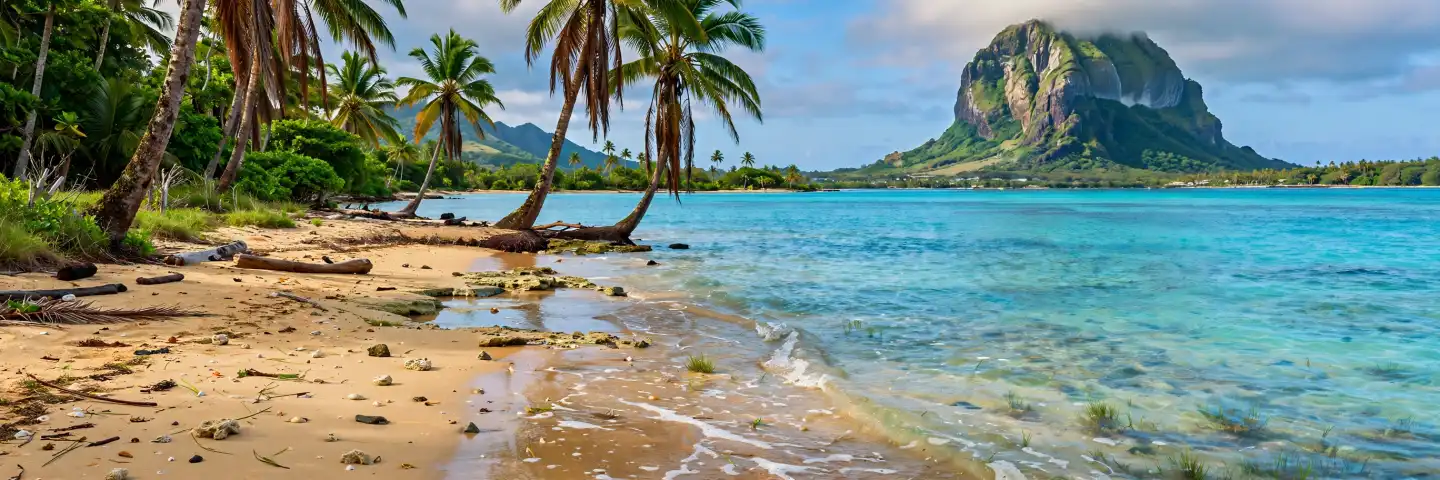 Mauritius
 Luxury Escape – 5★ Resort
- Return London flights
- 7/10 nights at LUX* Belle Mare, Long Beach or similar 5★
- half board
Subject to availability£1,779 pp2 sharingView deal: Mauritius Luxury Escape – 5★ Resort -
 Mauritius · Singapore · Bali
12 Nights Mauritius, Singapore & Bali Multi-Centre
- London flights
- 4 nights Mauritius 4★ half board
- 3 nights Singapore 4★ room only
Subject to availability£2,279 pp2 sharingView deal: 12 Nights Mauritius, Singapore & Bali Multi-Centre
Prices are per person based on two adults sharing and include flights, accommodation, taxes, APD and fees. All prices are subject to availability.
Holidays to Mauritius are at their best from September to November, when the coast is driest and highs reach about 26–28°C. April to June is a good second choice. British Airways flies nonstop from Gatwick in about 12 hours, and Mauritius is only 4 hours ahead of the UK in winter, so jet lag is mild.
Where to stay
-
North (Grand Baie and around)
- Suits
- Couples and groups who want restaurants, bars and boat trips
- Good to know
- The liveliest part of the island, with beach clubs, bars and dozens of restaurants around Grand Baie, plus golf, kitesurfing and boat trips to the northern islets.
-
East (Belle Mare and Trou d'Eau Douce)
- Suits
- Long beaches, wide lagoons and a breezy, relaxed stay
- Good to know
- Relaxed and unspoilt, with one of the longest beaches on the island at Belle Mare and boats from Trou d'Eau Douce to Île aux Cerfs. The trade wind keeps it fresh, especially in winter.
-
West (Tamarin to Le Morne)
- Suits
- Sunsets, drier winters and kitesurfing
- Good to know
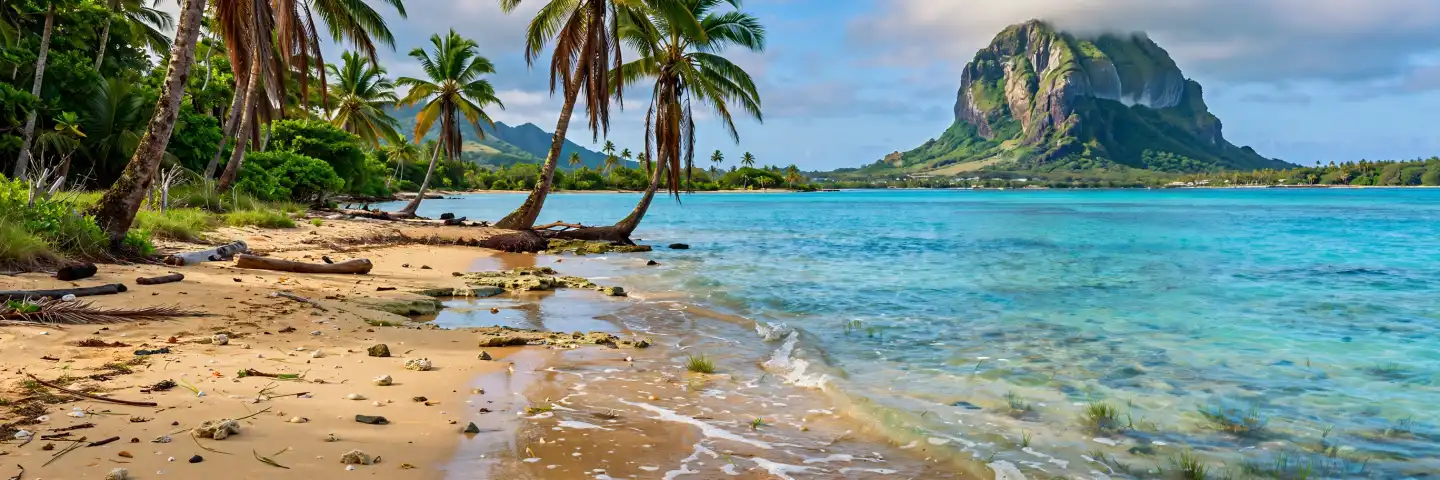
- A slower pace of life, sunset beach bars and the drier, more sheltered side of the island in winter; Le Morne is a UNESCO World Heritage Site and the best-known kitesurfing spot.
-
South (Bel Ombre and Blue Bay)
- Suits
- Peace and quiet, wilder coastline and snorkelling
- Good to know
- Low-key and rugged, with quiet beaches at Bel Ombre and Blue Bay Marine Park's clear water near the airport.
What a holiday in Mauritius is like
Most holidays to Mauritius are beach-resort stays, with the lagoon on one side and the island's green, volcanic interior on the other. Days tend to follow a gentle rhythm: a swim or snorkel in the calm water inside the reef in the morning, lunch by the beach, and a boat trip, spa visit or round of golf in the afternoon.
It is an easy island for UK travellers. English is the official language, though you will hear French and Creole far more often. Cars drive on the left, and British three-pin plugs are used alongside two-pin sockets. The currency is the Mauritian rupee, which is not used anywhere else.
When you want a change from the beach, the interior is close by. The Black River Gorges National Park has more than 50 km of trails, and Chamarel has the tallest waterfall on the island. On the east coast, boats run out to Île aux Cerfs for a day on the sand, while the north has trips to the small islands offshore, such as Coin de Mire, known for its snorkelling.
Which coast? North, east, west or south
Where you stay shapes your holiday as much as which hotel you choose, so decide on the coast first.
The north is the most lively part of Mauritius. Grand Baie has beach clubs, bars and more than 50 restaurants, and it is the base for boat trips to the northern islets. It suits couples and groups who like to eat out.
The east is relaxed and unspoilt, with long white beaches and wide lagoons. Belle Mare has one of the longest stretches of sand on the island. A cooling breeze blows for most of the year, welcome in summer but noticeable in July and August.
The west has a chilled pace, sunset bars and the drier, more sheltered side of the island. In July, the west averages around 15 mm of rain against roughly 103 mm on the east, which makes it the safer base for a winter trip. Le Morne, in the south-west, is the island's kitesurfing hub.
The south is quieter and wilder, with rugged cliffs, peaceful beaches at Bel Ombre and the clear water of Blue Bay Marine Park.
Weather and the best months to go
September to November is the sweet spot. Long-term averages for Plaisance, near the airport, show October is the driest month at about 50 mm, with highs climbing from about 26°C in September to 28°C in November. Sunshine also peaks from October to December.
April to June is the other good window. The summer rain is easing, the sea is still warm after the hot months and highs drop from about 29°C to 26°C. The tourism board picks out April as a strong beach month.
June to August is the Mauritian winter. Days are mild at about 25–26°C, nights fall to about 19–20°C and the east and south coasts are breezy, which suits kitesurfers more than sunbathers. Stay on the west coast and pack a light layer for evenings.
December to March is the hottest and wettest period, with highs of about 30°C. February is the wettest month at Plaisance, averaging 263 mm, and the whole stretch falls inside cyclone season, covered below.
Cyclone season and travelling in summer
FCDO says the tropical cyclone season in Mauritius usually runs from November to May. That does not mean a cyclone will hit during your stay, but the risk is real from December to April, when the tourism board also notes a higher chance of rain from January to March.
Mauritius has a clear four-stage warning system, run by the Mauritius Meteorological Services. A Class I warning is issued 36 to 48 hours before gusts of 120 km/h are expected, rising to Class IV when gusts of that strength have been recorded. FCDO warns that during a cyclone you are not allowed to leave your accommodation, and that some areas are prone to landslides in torrential rain.
None of this rules out a summer holiday, and the Christmas and New Year weeks are the island's busiest. It simply means building in some flexibility. Check the forecast and FCDO advice before you fly, choose a resort with plenty to do indoors, and make sure your travel insurance covers weather disruption.
Flights from the UK and arriving in Mauritius
British Airways flies nonstop from London Gatwick to Sir Seewoosagur Ramgoolam International Airport, and quotes a flight time of about 11 hours 55 minutes. Flights from Heathrow connect via Johannesburg, and other airlines connect through the Gulf. If you are flying from a regional UK airport, a one-stop routing is usually the simplest option.
Mauritius is on GMT+4 and does not change its clocks, so it is 4 hours ahead of the UK in winter and 3 hours ahead during British Summer Time. That makes it one of the easier long-haul trips for jet lag, which matters if you only have a week or are travelling with children.
The airport is in the south-east, near Mahébourg. Transfers are shortest to the south and east coasts, and longer to the north and west, so factor the drive into your choice of coast if you land after a night flight.
UK passport holders do not need a visa for stays of up to 60 days, but you must fill in the Mauritius All in One travel form online before you arrive and print the QR code.
When Mauritius is busiest and how to plan around it
December is the busiest month of the year for visitors. Statistics Mauritius figures for 2025 show about 165,000 arrivals in December, as families and couples head out for Christmas and New Year. October, November and July were next, each with more than 130,000 arrivals. February was the quietest month at about 97,000, with June and September also among the quieter months.
The UK is the second-largest source market for Mauritius after France, with about 155,000 British visitors in 2025. In practice, UK school holidays add pressure on flights and family rooms in late October, at Christmas and over Easter.
If your dates are flexible, September stands out: dry, increasingly sunny and one of the quieter months. Late April and May are also worth a look, with warm seas and the cyclone season ending. If you need school-holiday dates, especially October half-term or Christmas, book flights and rooms early, as nonstop seats from Gatwick are limited to a handful of flights a week.
Frequently asked questions
About 12 hours nonstop. British Airways flies from London Gatwick to Sir Seewoosagur Ramgoolam International Airport and quotes around 11 hours 55 minutes. From Heathrow or regional UK airports you will need a connection, which usually adds a few hours. The return flight is often slightly longer.
No. UK passport holders can visit for up to 60 days without a visa. Your passport must be valid for the whole stay and have one blank page, and you need proof of onward or return travel. Fill in the Mauritius All in One travel form online before you arrive.
September to November is the most reliable period, with the driest weather on the coast, highs of about 26–28°C and plenty of sunshine. April to June is a good alternative. December to March is hot and wet and falls in cyclone season, though Christmas is still the busiest time to visit.
It depends on what you want. The north around Grand Baie is the liveliest, the east has long beaches and wide lagoons, the west is drier and more sheltered in winter with good sunsets, and the south is the quietest. For a June to September trip, the west is usually the safest bet.
FCDO says cyclone season usually runs from November to May, with the highest rainfall from January to March. Mauritius Meteorological Services issues four classes of warning, and during a cyclone you must stay in your accommodation. Travel insurance that covers weather disruption is essential for summer trips.
The currency is the Mauritian rupee, which is not used anywhere else. Plugs are the British three-square-pin type alongside two-round-pin sockets, at 220–230V, so most UK chargers work without an adaptor. English is the official language, and cars drive on the left.
Yes, and it is one of the most popular twin-centres. Emirates flights to Mauritius connect in Dubai, so a few nights there breaks up the journey. Most people choose three or four nights in Dubai and seven or more in Mauritius, so the beach part feels unhurried after the long flight.